Functional Nasal Surgery In Vancouver


Breathe Better. Function Better. Live Better.
Breathing comfortably through your nose should feel effortless.
When nasal obstruction makes it difficult to breathe through your nose, affects your sleep, limits exercise, or leaves you relying on mouth breathing, functional nasal surgery may be an effective solution.
At About Face MD, functional nasal surgery is designed around one goal: improving the way your nose functions.
Depending on the underlying cause of your nasal obstruction, treatment may involve a septoplasty, turbinate surgery, nasal valve surgery, or a functional septorhinoplasty. The right procedure depends on understanding exactly where the obstruction is coming from.

Nasal obstruction can have many different causes, and identifying the source of the problem is one of the most important parts of treatment.
Common causes include:
Often, more than one of these factors contributes to the problem.
This is why simply looking at the septum—or simply treating the turbinates—is not always enough. At our practice in Vancouver functional nasal surgery begins with understanding the entire nasal airway.
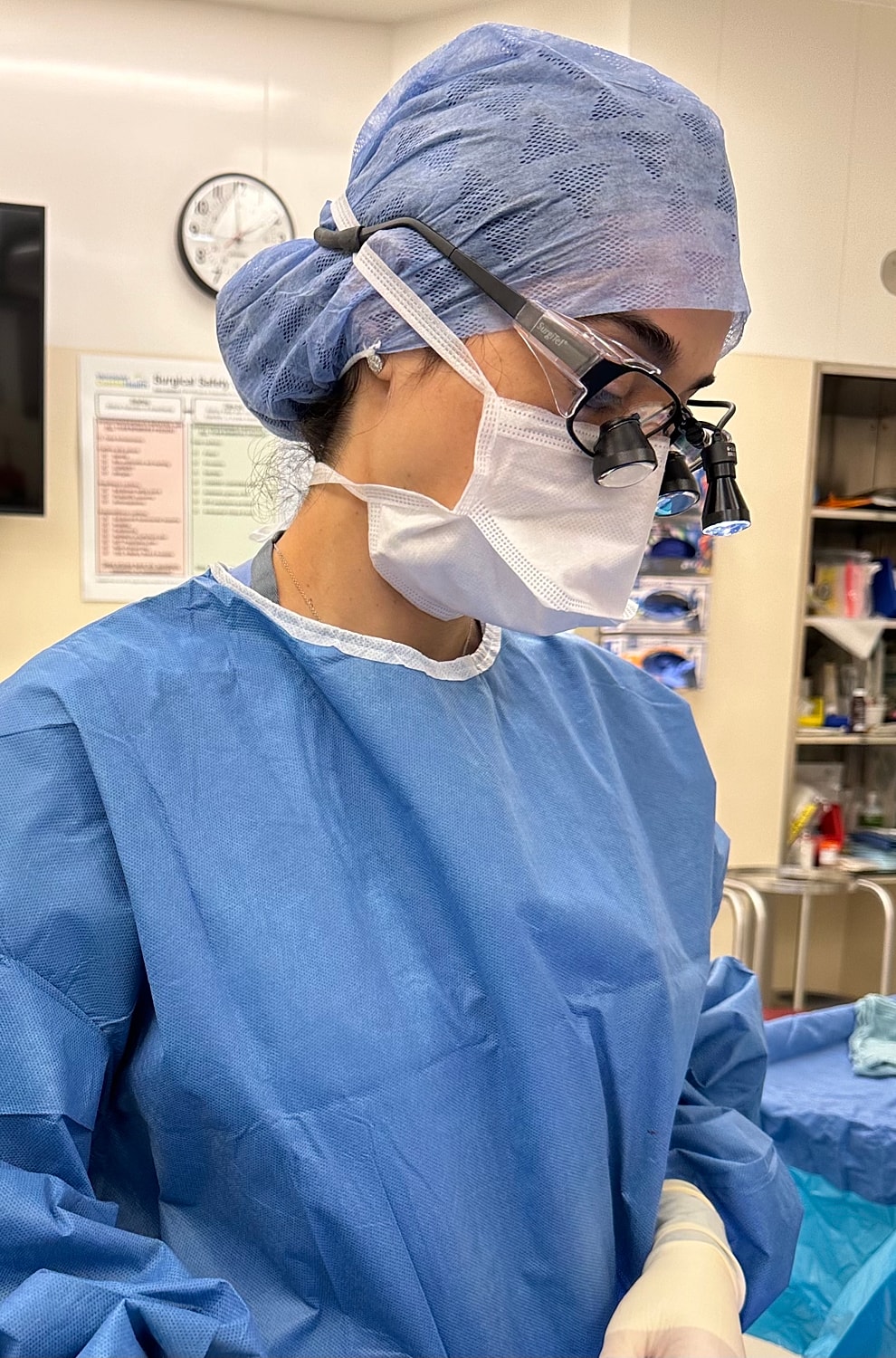
Functional nasal surgery may be appropriate if you have persistent difficulty breathing through your nose that is related to structural narrowing or obstruction.
You may be a candidate if you:
Surgery is generally considered when the problem is structural and persistent, and non-surgical treatments have not adequately addressed your symptoms.
Not every patient with nasal congestion needs surgery. Allergies, chronic inflammation, sinus disease, and other medical conditions can also contribute to nasal obstruction and may be better managed with medication or other treatments.
A thorough evaluation is therefore important to determine whether surgery is likely to address the actual cause of your breathing difficulty.
The goal of functional nasal surgery is to improve the function of your nose—not to create a cosmetic change.
Depending on the cause of your obstruction, potential benefits may include:
For some patients, improving nasal airflow can make everyday activities such as exercising, sleeping, and simply breathing feel more comfortable.
The degree of improvement depends on the underlying cause of obstruction and the structures being treated.Functional nasal surgery cannot guarantee that every breathing or sleep-related symptom will resolve, particularly when factors outside the nasal airway are contributing.
A septoplasty is performed to straighten a deviated nasal septum.
The septum is the structure that separates the right and left nasal passages. When it is significantly deviated, it can narrow one or both sides of the nose and make nasal breathing more difficult.
During septoplasty, the obstructing portions of cartilage and bone are carefully reshaped, repositioned, or removed while preserving the structural support necessary for a stable nose.
The goal is not to make the septum perfectly straight for its own sake.
The goal is to create a better-functioning nasal airway while maintaining the structural integrity of the nose.
For some patients, the septum is the primary cause of obstruction and a septoplasty can provide significant improvement.
If the septum is the main source of narrowing and the nasal valves and external nasal framework are functioning adequately, there is no reason to perform a more extensive operation simply because it is more extensive.
A septoplasty may be the appropriate—and sufficient—operation.
However, the septum is only one component of the nasal airway. If the nasal valves are narrow, the nasal framework is weak, or the external nose contributes to the obstruction, correcting the septum alone may not adequately address the problem.
This is one reason some patients continue to experience difficulty breathing after a previous septoplasty.
A functional septorhinoplasty may be recommended when structures beyond the septum contribute significantly to nasal obstruction.
This can occur when the nasal bones, upper lateral cartilages, lower lateral cartilages, or nasal valves create an area of narrowing or collapse.
In these situations, simply straightening the septum may not be enough.
Functional septorhinoplasty allows the surgeon to address the broader structural framework of the nose to improve airflow.
Depending on your anatomy, this may involve:
The specific techniques are individualized according to the anatomy and the location of the obstruction.
The important distinction is not which procedure is "better."
It is which procedure addresses the actual cause of your obstruction.
Septoplasty primarily treats obstruction caused by the nasal septum.
Functional septorhinoplasty addresses obstruction involving the broader structural framework of the nose, including areas such as the nasal valves and external nasal framework.
If your septum is the primary problem and the rest of your nasal airway is adequate, a septoplasty may be all that is necessary.
If the nasal valves or external nasal framework are contributing to obstruction, a functional septorhinoplasty may be necessary to adequately improve the airway.
The goal is to perform the right operation for your anatomy.
The nasal valves are among the narrowest portions of the nasal airway and are particularly important for nasal airflow.
Nasal valve narrowing can occur because of natural anatomy, previous trauma, previous surgery, or weakness of the supporting cartilage.
Patients may describe:
Nasal valve problems can be subtle and are sometimes overlooked.
Importantly, a normal-looking septum does not necessarily mean the nasal airway is normal.


Nasal obstruction is often multifactorial.
A patient may have a deviated septum, enlarged turbinates, and narrow nasal valves at the same time.
If only one component is treated, the remaining areas of narrowing can continue to limit airflow.
In addition, the nasal airway is a dynamic structure. Cartilage and soft tissue can move during inspiration, meaning that an airway that appears adequate at rest may narrow significantly during breathing.
This is why functional nasal surgery requires more than simply identifying a deviated septum.
The entire nasal airway needs to be evaluated.
When surgery is performed for breathing, the primary objective is function.
The goal is to improve airflow while preserving the natural appearance of your nose whenever possible.
A functional septorhinoplasty can sometimes involve changes to the external nasal framework because those structures are directly involved in nasal breathing. However, these changes are made to improve function and maintain appropriate structural support—not simply to create a cosmetic result.
For patients who are happy with the appearance of their nose, this distinction is particularly important.
The objective is a nose that works better while remaining your nose.
There is no single operation that fixes every blocked nose.
Two patients may both complain of difficulty breathing through one side of the nose, yet have completely different anatomical causes.
One may have a significant septal deviation.
Another may have nasal valve narrowing.
Another may have turbinate enlargement.
And another may have a combination of several structural problems.
Your surgical plan should therefore be based on your anatomy, your symptoms, and the specific location of your obstruction.
A functional nasal consultation begins with a detailed assessment of your breathing and nasal anatomy.
This includes understanding:
The inside and outside of the nose are carefully examined to identify areas of structural narrowing.
The objective is to determine why you are having difficulty breathing, rather than simply identifying that something looks abnormal.

The turbinates are normal structures inside the nose that help humidify, warm, and filter the air you breathe.
When they become enlarged, they can contribute to nasal obstruction.
In appropriate patients, turbinate reduction may be performed at the same time as septoplasty or septorhinoplasty.
The goal is to reduce excessive obstruction while preserving enough turbinate tissue to maintain normal nasal function.
Recovery varies depending on the extent of surgery.
Most patients experience some degree of congestion, swelling, and nasal blockage during the early healing period. This is normal and does not mean the surgery has been unsuccessful.
Breathing often improves progressively as swelling decreases and the tissues heal.
It is important to remember that functional improvement is not always immediate.
The nasal airway can remain congested for several weeks after surgery, and the final functional result may continue to evolve as healing progresses.
A septoplasty performed entirely within the nose generally does not intentionally change the external appearance.
A functional septorhinoplasty, however, may require modification of the external nasal framework when those structures contribute to obstruction.
Any external changes are carefully planned around your anatomy and functional needs.
For patients who are primarily interested in breathing better and are satisfied with the appearance of their nose, preserving the natural character of the nose is an important part of surgical planning.
Functional nasal surgery is not simply about straightening a septum.
It is about understanding the anatomy of the nasal airway and addressing the structures that are preventing you from breathing comfortably.
Whether the appropriate treatment is a septoplasty, turbinate reduction, nasal valve surgery, or a functional septorhinoplasty, the goal is the same:
To create a stable, functional nasal airway that allows you to breathe more comfortably while preserving the natural structure and appearance of your nose.
Ready to Breathe Better?
If chronic nasal obstruction is affecting your sleep, exercise, daily activities, or quality of life, a comprehensive functional nasal evaluation can help determine what is causing the problem and whether surgery may be appropriate.
Book a consultation with Dr. Anali Dadgostar at About Face MD to develop a treatment plan tailored to your nasal anatomy and breathing needs.

No.
A septoplasty treats problems involving the nasal septum, primarily to improve breathing. Rhinoplasty changes the external structure of the nose and can be performed for cosmetic, functional, or both reasons.
A functional septorhinoplasty combines septal correction with structural changes to the nose when those changes are necessary to improve nasal airflow.
If a deviated septum is a significant cause of your nasal obstruction, septoplasty can improve nasal airflow.
However, the amount of improvement depends on whether other factors—such as nasal valve narrowing, turbinate enlargement, inflammation, or sinus disease—are also contributing.
Persistent obstruction after septoplasty does not necessarily mean that the septum was not adequately treated.
The original problem may have involved other structures, or additional areas of narrowing may have become apparent once the septum was corrected.
A comprehensive evaluation can determine whether the nasal valves, turbinates, nasal framework, scar tissue, or another structural issue is contributing to the persistent obstruction.
That depends on where your obstruction is coming from.
If the septum is the primary problem, septoplasty may be sufficient.
If the nasal valves or external nasal framework are contributing to obstruction, additional structural surgery may be necessary.
The procedure should be determined by the anatomy—not the other way around.
A straightforward septoplasty generally does not intentionally change the external appearance of the nose.
A functional septorhinoplasty may alter the external framework when this is necessary to improve breathing or provide structural support.
The extent of any external change depends on your anatomy and the techniques required.
If nasal obstruction is contributing to mouth breathing, improving the nasal airway may make nasal breathing easier and reduce the need to breathe through the mouth.
However, mouth breathing can have multiple causes, so improving the nose does not guarantee that mouth breathing will completely resolve.
Yes. When enlarged turbinates contribute to obstruction, turbinate reduction can often be performed together with septoplasty or functional septorhinoplasty.
The goal is to improve airflow while preserving healthy turbinate function.
Most patients have significant congestion during the early recovery period. Nasal breathing generally improves gradually as swelling subsides.
The recovery period depends on whether you have a septoplasty alone or a more extensive functional septorhinoplasty.
Your specific recovery timeline will be discussed during your consultation.
Not necessarily.
Nasal obstruction can contribute to snoring or make breathing during sleep more difficult, but snoring and sleep apnea can have many causes outside the nose.
Functional nasal surgery may improve nasal airflow, but it should not be considered a guaranteed treatment for sleep apnea.
Coverage varies depending on the diagnosis and the specific procedure being performed.
Functional procedures performed to treat medically documented nasal obstruction may be eligible for coverage, while cosmetic portions of surgery are not.
Our office can discuss the appropriate process for determining coverage during your consultation.